The mixer is the least interesting part of the decision. Anyone can book a plant. The question in Newcastle is whether the person who takes your deposit will still be standing in the yard when the clay moves, the pump cannot reach the back, or council wants the crossover poured to a drawing you have never seen.
This is not a directory. We do not rank crews and we do not sell introductions. The planning and costs desk exists so a homeowner can tell a serious quote from a number that has not yet met the site. For a price band rather than a method, start with the Hunter cost guide.
Start with the paper, not the smile
New South Wales still licenses people who do residential building work. A concreter pouring a house slab, a substantial driveway or a retaining wall should be able to put a contractor licence number on the quote without theatre. Check it on the public register. If the name on the licence and the name on the invoice do not match, stop and ask why.
Insurance is the next sheet. Public liability is the one that pays when a barrow of spoil goes through a weatherboard wall or a pump hose kisses a parked car on a Hamilton street. Workers compensation is the one that means you are not improvising if someone is hurt on your block. Ask for certificates of currency dated this year. A crew that bristles at the request is telling you something useful.
None of this makes the pour good. It only means the person you are about to pay exists in the same legal weather as the rest of the industry.
Written scope is the job
A quote that says “driveway, supply and lay, $X” is not a scope. It is a hope. A useful document names the thickness, the mix, the finish, the reinforcement, the base, who digs, who disposes, who saw-cuts, who books the pump, and what happens if the truck cannot get down the lane. It says whether the crossover is included, and whether anyone has spoken to council. It says who is responsible for site preparation — pegs, boxing, compaction — and who is just turning up with a screed.
In the Hunter that paragraph matters more than it does on a flat, empty block in a new estate. Inner Newcastle is full of tight access, shared driveways, heritage fences and neighbours who work from home. A quote that pretends the site is a paddock will grow extras the morning the mixer arrives.
Ask for the exclusions in writing. Then read them as the real quote. Pump hire, saw cuts, extra steel, extra thickness on a turnaround, disposal of old concrete, traffic control on a classified road, weekend plant, and a second visit to cut joints are the usual ghosts. None of them is dishonest if they are named. All of them are expensive if they appear as a variation after the boxing is in.
If the job crosses the verge, read council approvals for driveways in the Newcastle LGA before you let anyone treat the footpath as a private convenience. The strip between your gate and the street is not yours to invent.
Photographs of local work, not a mood board
A serious crew can show you work in this climate, on this soil, within a drive you are willing to take on a Saturday. Merewether is not Maitland. A broom finish that looks honest on a sandy rise at Stockton can look like a different material on reactive clay at Maryland. Ask where the job was, how old it is, and whether you can stand on it.
What you are looking for is not gloss. You are looking for joints that land in sensible places, edges that have not crumbled after two summers, a fall that takes water to the street rather than under the front door, and steel that was not left winking through the surface. If the crew offers only photographs of wet concrete on pour day, you are being shown the easy part.
Do not confuse a gallery with a warranty. A driveway that is three years old and still draining is better evidence than a pour photographed before lunch.
How quotes hide extras
The cheapest number on the table is often the one that has left the most work unnamed. In this city the unnamed work has a short list.
Pump hire is the classic. A mixer can chute a front yard in Hamilton South. It cannot chute a rear courtyard in The Hill, or a slab behind a terrace in Cooks Hill, without a pump or a long walk with barrows that will double the labour. If the quote is silent on access, assume the silence is priced for a perfect street.
Saw cuts are next. Control joints are not a flourish. They are how a slab is invited to crack where you can live with it. A quote that leaves cutting out, or charges it as a return visit you did not expect, will feel cheap until the first week after the pour.
Disposal is the one people forget until the old driveway is in pieces on the nature strip. Tipping fees in the Lower Hunter are not a rounding error, and old concrete is heavy. If the existing slab is being broken out, the quote should say who owns the rubble.
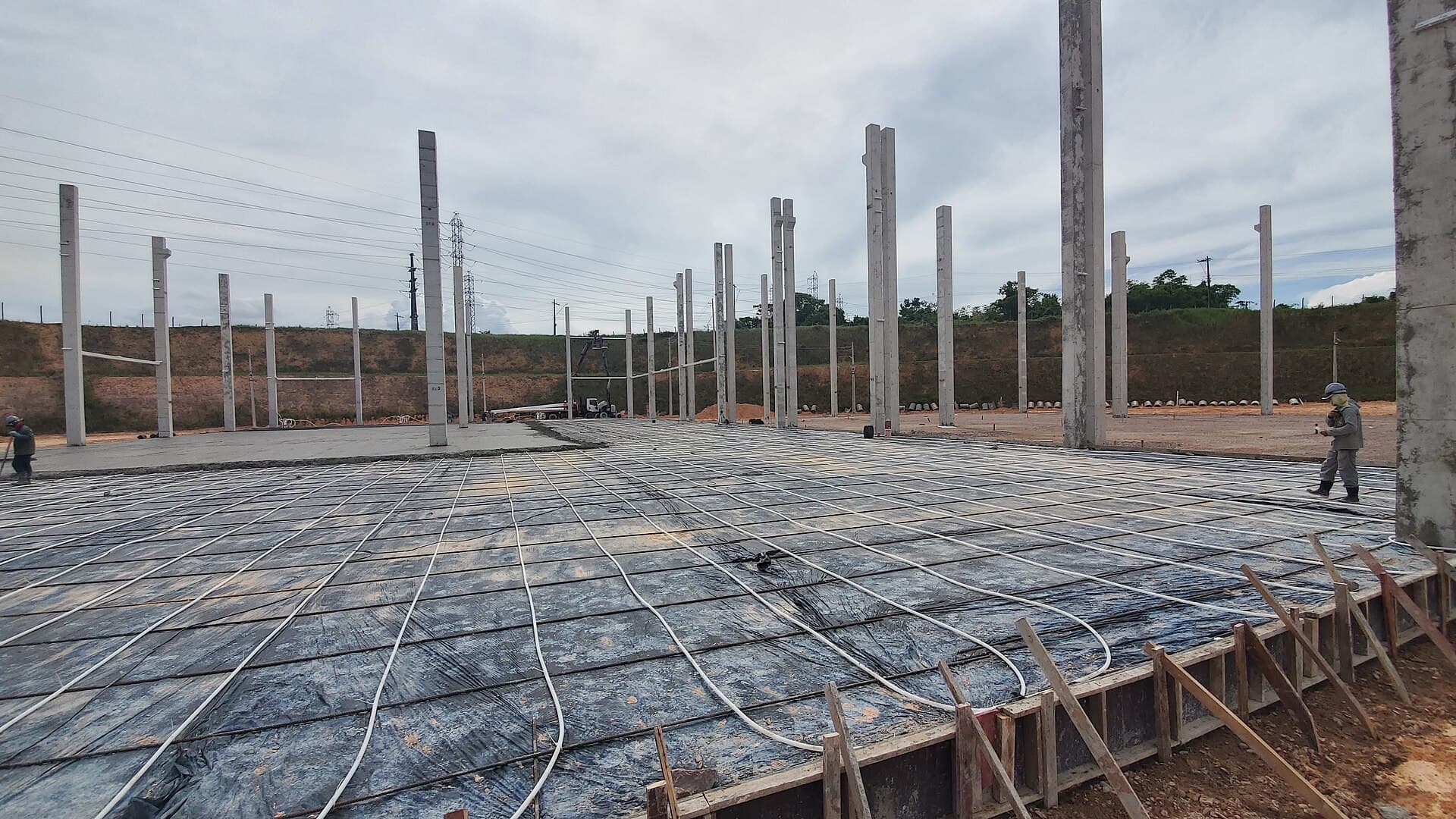
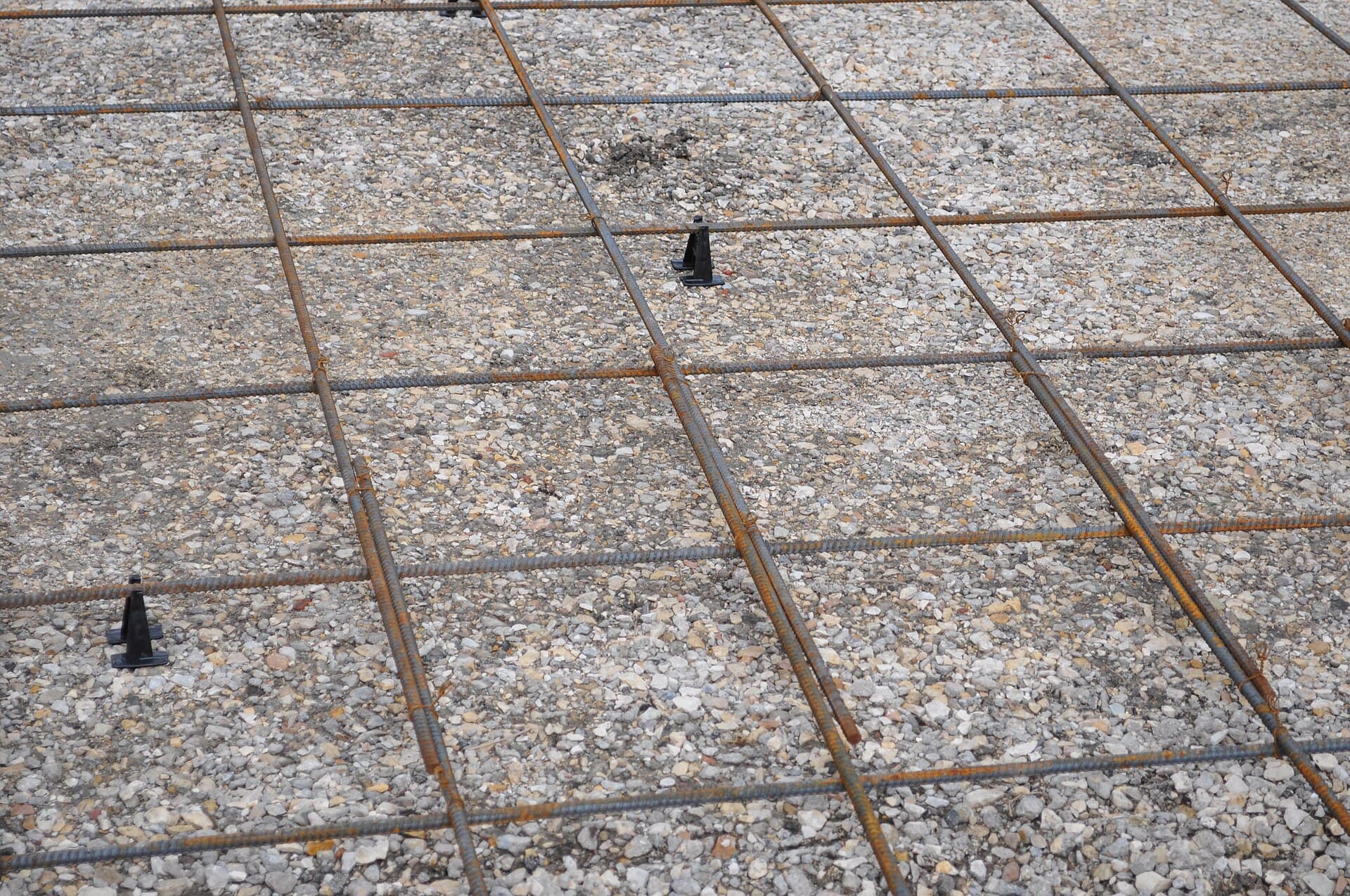
Thickness and steel move around as well. A shed slab poured at eighty millimetres with a light mesh is a different product from a hundred-millimetre driveway with SL82 on chairs. Both can be described as “reinforced concrete” by a person who would like you to stop asking questions. If you do not know what you should be looking at, read reinforcement — mesh, bar and fibre before the truck is booked, not after the steel has been walked into the mud.
Access premiums in the inner suburbs are real. Narrow streets, parked cars, heritage kerbs, and a second pump setup all cost money. A crew that prices Mayfield the same as a wide new-release cul-de-sac is either generous or incomplete. The cost guide treats those premiums as journalism, not as a price list.
Red flags that are not a matter of taste
A deposit that is most of the job before anyone has looked at the site is a red flag. So is a refusal to put the scope in writing, a licence number that does not resolve on the register, or a request to pay a different name from the one on the quote.
Pressure to pour this week because “the plant is quiet” is not always a scam — winter and the week after the school holidays do go quiet — but it is a reason to slow down, not speed up. Read winter versus summer pouring if the urgency is being sold as weather. Sometimes it is. Sometimes it is a diary that needs filling.
A crew that talks only about colour charts before anyone has mentioned fall, thickness or the crossover is selling a finish, not a driveway. Finishes belong in the decorative conversation after the slab is thick enough and falling the right way. If you are being walked straight to an oxide sample, ask what happens when it rains on pour day.
Be wary of the person who tells you council “never checks” the crossing. They do, and the person they send the letter to is you. Be wary of the person who tells you fibres mean you do not need mesh on a driveway that will take a loaded ute. Be wary of the person who has no answer for washout, because the washout will otherwise find the gutter.
Stay in the conversation long enough that the cheap number has to explain itself.
What a site visit is for
A quote given from a photograph of the front yard is a guess. A site visit is where the crew measures the fall, looks at the crossover, notices the power pole, and tells you the mixer will not fit. It is also where you find out whether they talk to you like a person who will still be there when the saw is cutting.
Walk the block with them. Point at the neighbour’s fence, the low spot by the laundry, the tree whose roots already lift the path. Ask who rings the plant, and what happens if an easterly arrives at ten o’clock.
If the job is a house slab, the conversation should move toward slabs and foundations and, on a clay site, toward an engineer. A concreter who will invent a waffle pod layout on a napkin is not doing you a favour.
After you have chosen
Write down what you agreed. Keep the licence number, the insurance certificates, the drawing if there is one, and the messages that changed the scope. When the boxing is up, look at it. When the mesh is on chairs, look at that too. The morning of the pour is a poor time to discover the fall runs toward the house.
If the work later cracks, start with repairs and an honest look at whether the crack is a hairline doing what concrete does, or a movement that was always coming on that soil. A good crew will come back and talk. A crew you chose only for the number may not have a number that still rings.
We will not tell you who to ring. Choose a concreter in this city the way you choose anyone who will leave something heavy on your land: slowly, on paper, with photographs of work you can walk on, and with a quote that has already confessed its extras. The plant can wait a week. The slab cannot be unpoured.