A number on a concreting website is not a quote. It is a rumour with a dollar sign. This essay collects the ranges we are hearing in the Hunter in 2026 — driveways, shed slabs, pumps, the premium for a lane in Cooks Hill — and then tells you why the rumour moves. It belongs on the planning and costs desk, next to how to choose a concreter.
Every figure below is a journalistic estimate in Australian dollars, gathered from conversations with builders, suppliers and homeowners, and from the public weather of fuel, cement and labour. It is not a tender. It will be wrong for your block. Read our editorial standards if you want to know what a number on this site is allowed to be.
How to read a range
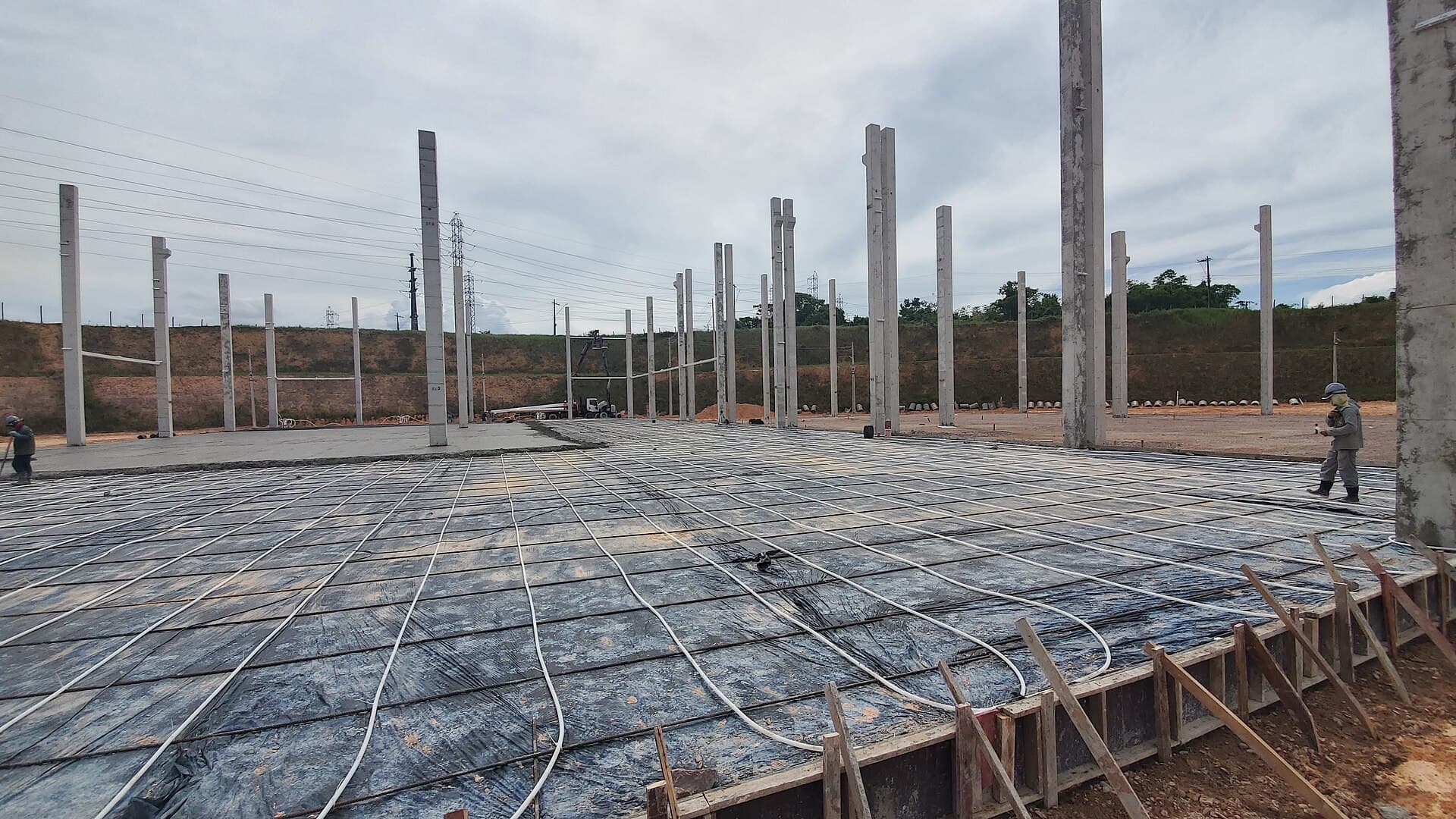
Concrete is sold by the cubic metre and built by the square metre. Those two facts already produce confusion. A hundred-millimetre slab uses about a tenth of a cubic metre for every square metre of plan, before waste and thickening. The mix is only part of the invoice. Excavation, crushed rock, reinforcement, boxing, labour, pump, saw cuts, disposal and the afternoon the plant is late all sit on top.
When a homeowner says a driveway “cost one-eighty a metre”, they usually mean the all-in number they paid, not the ready-mix ticket. When a crew says “ninety a metre supply and lay”, they may mean the pour only, on a prepared base, on a site the mixer can reach. Both can be honest. They are not comparable until someone writes down the exclusions.
The Hunter adds a local grammar. Inner Newcastle charges for access. The lake and the river charge for water in the hole. The hills charge for retaining and for a pump that has to reach over a roof. Inland clay charges later, when the slab moves. A cheap pour on the wrong ground is not a saving. It is a subscription.
Driveways, plain and exposed
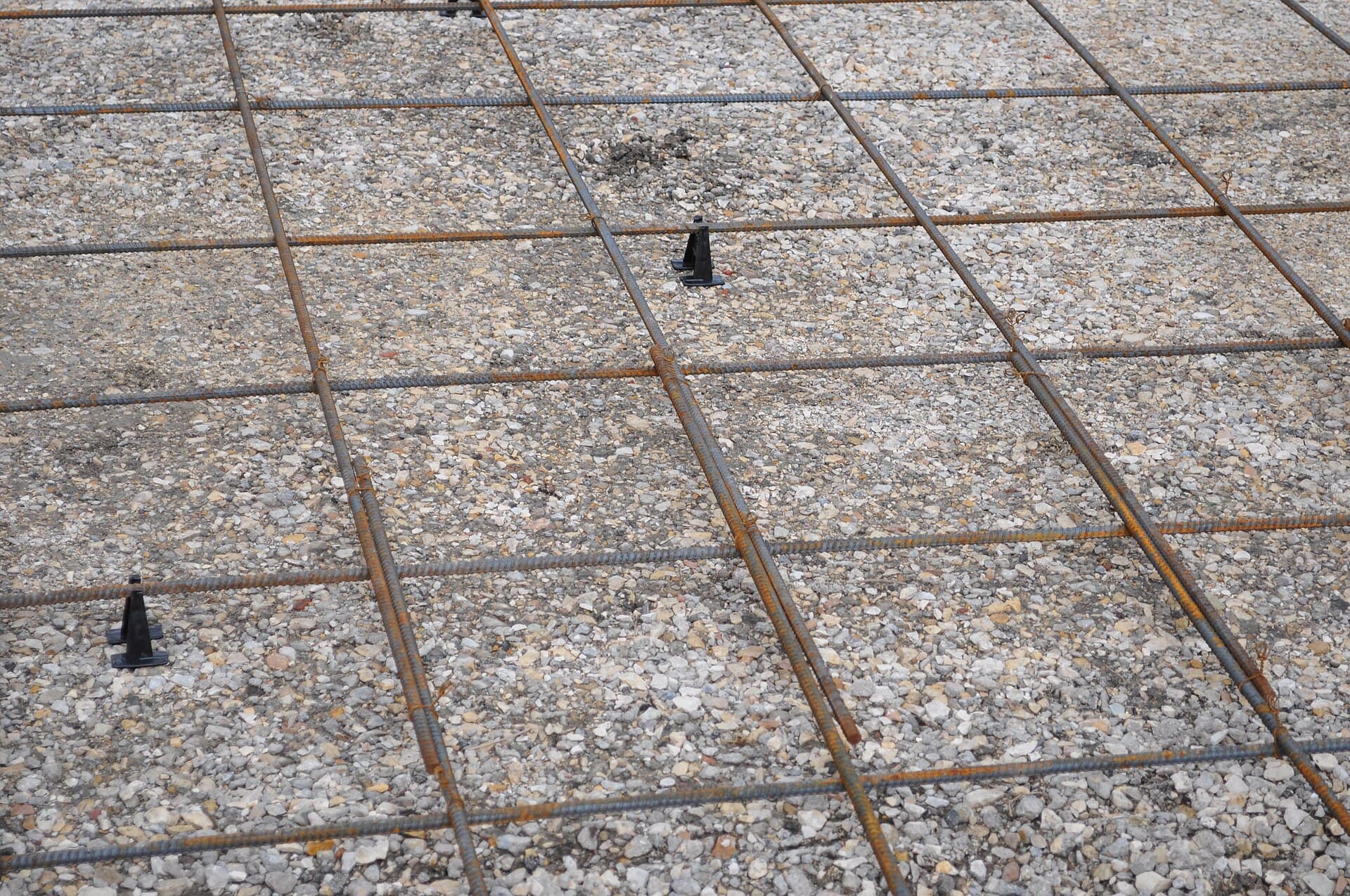
For a straightforward residential driveway in the Lower Hunter in 2026 — say forty to sixty square metres, a hundred millimetres thick, broom or light trowel finish, SL82 or similar on chairs, a compacted base, saw cuts included — the all-in conversations we trust sit roughly between $130 and $220 a square metre. The low end assumes decent access, a crew that does not need a boom, modest excavation and a client who is not asking the pour to also be a sculpture. The high end is where the old slab has to come out, the verge is awkward, the street is tight, or the finish is being fussed over.
A plain supply-and-lay figure, if the base is already honest and the mixer can chute, is still being talked about in the $90 to $160 band. That band is the one that most often forgets the pump, the tip fees and the extra thickness on a turning bay. Treat it as a component, not a budget.
Exposed aggregate sits higher. In 2026 we are hearing all-in ranges of about $160 to $280 a square metre for a domestic driveway that is washed, sealed and edged with a bit of care. The stone is not the whole premium. Exposure is labour: a surface retarder, a wash at the right hour, a crew that does not leave a blotchy face, and usually a sealer that will need to be kept honest on this coast. A cheap exposed job is often a job that was washed too late or sealed too soon.
Colour oxides and stamped work climb again. We will not pretend to price a stamped courtyard from a desk. If that is the job, read the decorative hub and get two written scopes that name the stamp, the release, the sealer and the joints.
A short driveway on a wide street at Fletcher will land toward the bottom of these bands. A long, falling driveway in Kotara that has to meet a council crossing and take a boat on a trailer will not. Slope is a labour multiplier. Pair this with driveways and crossovers before you scale a pretty number across a triangular plan.
Shed slabs and the false economy
A shed slab is where people try to save money they will later spend on a door that will not close. For a simple detached slab — a hundred millimetres, mesh, a modest thickening at the edges, broom finish, on ground that does not need a novel — 2026 conversations sit around $85 to $150 a square metre all-in, with the usual caveats about access and spoil. A thicker slab for a workshop, a hoist, or a van that will live inside pushes the figure up, as does any request to hold down a kit garage to an engineer’s drawing.
The temptation is to pour eighty millimetres with a light mesh and call it done. On a sandy, well-drained site with a light garden shed, that can be defensible. On Hunter clay, or under a shed that will store a loaded ute and a compressor, it is a way to buy a crack. Reinforcement and slab type are not decorative choices. They are the difference between a floor and a lid on wet soil.
If the shed is close to a house, on a mine-subsidence overlay, or on a slope that wants a step, stop treating it as a weekend product. The extra money is in the drawing.
Pump hire, and why the street decides
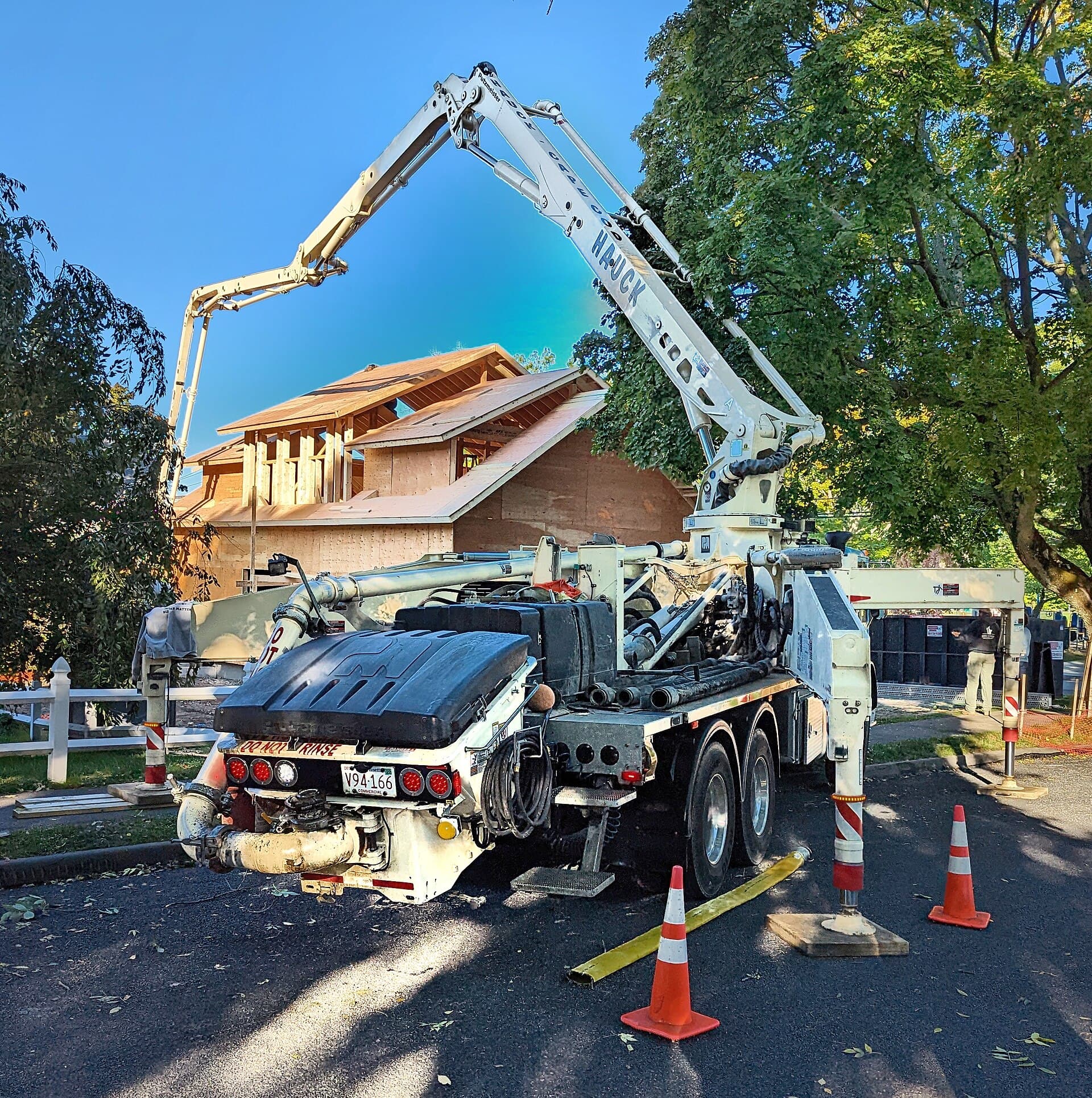
A boom pump for a typical domestic pour in the Newcastle area is being talked about, in 2026, in a band of roughly $900 to $2,000 for the setup and a short window, plus extra if the pour runs long or the reach is heroic. A line pump can be cheaper on a simple job and dearer if the hose has to travel the length of a terrace. Neither figure includes the labour of the people who will hold the hose.
Inner Newcastle is where the pump stops being optional. Cooks Hill, The Hill, Newcastle East, Carrington and the tighter parts of Hamilton and Islington regularly need one, not because the crew is precious but because the mixer cannot get its chute to the pour without occupying half the street and the neighbour’s camellias. Access premiums — a smaller truck, a second setup, traffic control, an early start before the commuter cars arrive — are landing as $500 to $3,000 extras, or as a ten to thirty per cent lift on a naive square-metre rate.
A wide block in Thornton or a rural pad outside Maitland can often take a chute. Price that luck as luck. Do not export it to a photograph of a rear yard in Cooks Hill.
What moved the prices
Three things have been shoving Hunter concrete around for several years, and 2026 has not repealed them.
Fuel is the obvious one. Mixers, pumps, excavators and the trucks that take spoil to the tip all drink diesel. When fuel jumps, the pump and the disposal line move first. A crew that has not adjusted a 2023 pump figure is either absorbing it or about to send a variation.
Cement is the quiet one. It is energy-intensive to make, and the ticket price of a cubic metre in the Lower Hunter has not gone back to the number people remember from a decade ago. When a quote is “a bit dearer than your brother’s driveway in 2019”, this is part of why.
Labour is the one that does not show on a material docket. A competent crew in this region can fill a diary. School holidays, wet weeks and the cluster of pours that all want to happen before Christmas tighten the market further. The cost is not only the hourly rate. It is the premium for a Saturday, the cost of a second labourer on a pump, and the fact that a sloppy cheap crew is not actually cheap once you have lived with the finish.
Steel mesh and bar still move. A driveway quoted on SL72 and poured on SL82 is a different invoice. Ask which sheet is in the price. Insurance, tipping and council fees have all crept; together they are why a “simple” driveway is no longer the barbecue figure.
How to use this without lying to yourself
Take the band that matches the job. Add the extras the photograph does not show: breakout, pump, crossing, retaining, a fall that needs a step, a tree, a tight street. Then get two written scopes from licensed people who have stood on the block. If one number is far below the band, it is not a gift. It is an incomplete sentence.
Season changes the diary more than the cubic-metre price. Winter versus summer is a materials essay, but it is also a booking essay: January and the mid-year holidays are not the same plant. A rush fee in December is not a scandal. It is a calendar.
If the job is a warehouse floor at Tomago or a shed that will take forklifts, stop using driveway numbers. That work lives in a different essay: industrial and warehouse floors. If the job is a wall that holds a hillside, stop using slab numbers and read retaining walls on Hunter slopes.
We will update these ranges when the weather of the market changes enough to make them misleading. Until then, treat them as a briefing, not a contract. The only quote that matters is the one that has already walked your verge, named the pump, and confessed what it does not include.