Rust is a larger guest than the steel that invited it. Iron oxide occupies more volume than the bar it replaces, and it is not polite about the extra room. It jacks. The concrete cover, which was supposed to be the bar’s weather coat, becomes a plate that lets go. On a path you swear and you sweep. On the soffit of a balcony in Newcastle East you are standing under a piece of coastal geology that has decided to travel.
Spalling is the name for that letting-go. It is the late chapter of the salt-air story, and it can also be written by a leaking shower, a planter that was never waterproofed, or a slab that was poured with the mesh on the ground. This essay sits in repairs and resurfacing, next to the coastal durability desk, because the question is no longer theoretical. The cover is coming off. The decision is patch, replace, or make the area safe while you think.
How the steel gets to the air
Reinforcement in sound, alkaline concrete lives behind a passive film. Chlorides, carbonation and a supply of moisture and oxygen break that film. The bar rusts. The rust expands. The concrete cracks along the bar, then delaminates, then spalls. You can interrupt the story early — wash salt, keep cover, stop the leak — or you can meet it when a hollow area the size of a dinner plate sounds wrong under a hammer.
Cover is the distance the trouble had to travel. Insufficient cover is the original sin of a lot of older coastal work: chairs that were too short, bars that were walked down during the pour, a desire to keep a slab thin. Once the cover is thin, the chloride does not need to be legendary. A few winters of Merewether weather will do. Carbonation — the slow neutralising of the concrete’s alkalinity by carbon dioxide — does a quieter version of the same work inland, especially on porous, poorly cured surfaces.
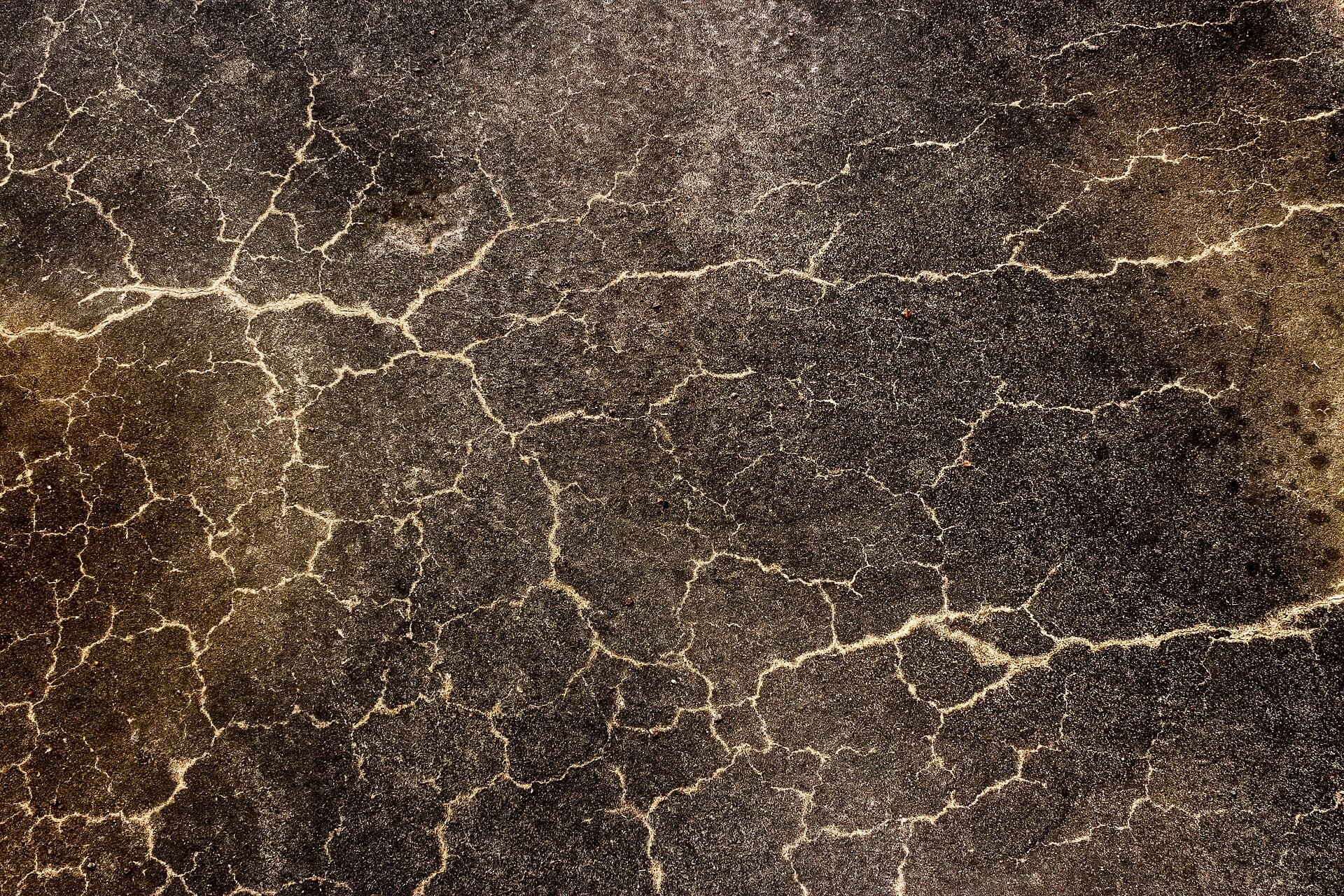
You do not need a laboratory to suspect the sequence. You need rust stains that return after cleaning, cracks that follow a straight line (the bar), a hollow note, a bulge, or the steel itself, scaled and reduced. If the bar has lost section, the member has lost capacity. That sentence is why this is not a cosmetic page.
Coastal units, specifically
Newcastle’s older walk-ups and the first generations of coastal strata are a museum of this problem. Balcony edges, soffits, the upstands of planters, the rings of old laundry slabs, the little awnings over entries: these are the members that see spray, hold water, and were sometimes poured as if they were inland paths. Tiles were laid to freshen the photograph. The tiles are not cover. They can trap moisture against the steel and make the jacking more efficient.
A good strata report in this city looks at the underside. It taps. It asks about leaks at doors and about the history of previous patches. A report that only photographs the ocean from the balcony is a real-estate object. If you are buying, budget for the inspection that annoys the selling agent. If you are on a committee, budget for the engineer who will tell you that five pretty patches from 2014 are now five larger patches.
Overhead concrete is the safety line. A spall the size of a hand, falling three metres onto a footpath or a child’s head, is not a maintenance anecdote. Close the area. Prop if you are advised to. Do not put a pot plant on the bulge to “keep an eye on it”. The hairline versus structural essay is the diagnostic cousin. This page is the one that says: once the cover is loose, the diagnosis is already late.
Harbour-facing members and the first row at Stockton, Newcastle East, Bar Beach and Merewether take the chloride dose we described in the salt essay. A few streets back the dose falls and the same building may only be carbonating. Do not use a Kotara garage as your mental model for a Foreshore balcony. Do not, either, demolish a whole edge beam because of one rust stain that turns out to be a railing. Look, tap, then open a small area if a professional says so.
Patch versus replace
A proper patch is a small engineering job. You break out to sound concrete, clean the steel to a specified standard, replace or supplement bar that has lost section, coat the steel if the specification says so, and reinstate cover with a repair mortar that will actually stay. You deal with the water that caused the rust: the membrane, the hob, the leaking planter, the missing fall. Then you think about whether a coating or a sealer will slow the next chloride, knowing that a coating on unsound concrete is paint on a jack.
A bad patch is grey stuff over rust, feathered at the edges, painted to match. It looks all right in month two. It stains in month eight. It falls off in year three, larger. The Hunter is full of them. They are cheaper than the first paragraph, which is why they exist, and they are more expensive than the first paragraph by year five, which is why this journal is rude about them.
Replacement is the honest answer when the member is too far gone, when the steel is a memory, when the geometry is wrong, or when you would be stitching a quilt of patches across a balcony that still leaks. Replacement of a balcony or an edge beam on a strata building is a project: access, neighbours, waterproofing, sometimes a redesign of the fall and the hob that caused the first failure. It is also how you stop paying for the same soffit every summer.
Overlays and toppings on a spalling slab are usually a way to hide the evidence. If the steel is still rusting underneath, the topping is a lid. The resurfacing conversation is for driveways with a sound base. It is not for a coastal soffit.
There is a middle world — cathodic protection, corrosion inhibitors, impressed current on big structures — that belongs to specialists on bridges and large marine assets. A house or a six-pack of units will almost never need you to understand it. If an engineer mentions it, let them explain it. Do not buy a bottle of “rust converter for concrete” from a catalogue and consider the balcony solved.
What a homeowner can usefully do
Wash coastal members. Keep planters off the bare slab, or waterproof them as if they were small tanks. Keep balcony drains open. Do not drill a line of holes along a bar because you wanted to mount a clothesline. Do not grind a rust stain off a soffit while standing on a milk crate. Photograph, tap, and if the sound is hollow, make the call.
If a piece has already fallen, keep it. The fracture face tells a concreter or an engineer whether the cover was thin, whether the aggregate was exposed, whether the rust is general or local. Bag it. Note where it fell from. Then treat the hole as a structural gap, not as a place to smear.
Indoors, rust on a garage slab is often a chair or a tie that sat too high, or a leftover offcut. It can also be the mesh in a slab that was poured on plastic over wet ground and never had a chance. Tap. If the cover is sound and the stain is a whisker, monitor it. If a line of rust is lifting a ridge along the floor, you are back in the jacking story, only under a car instead of a balcony.
Cleaning a rust stain without fixing the steel is housekeeping. It is still worth doing so that you can see whether the stain returns. Use the least aggressive method. Acid on a coastal slab is how people open the pore network for the next chloride.
Safety, said once more
If the concrete is over a head, a pram, a car park or a footpath, loose cover is an emergency of manners even when it is not yet an emergency of structural capacity. You do not wait for the annual general meeting to put a fence around a bulge. You do not paint the soffit to “make it look maintained” before an inspection. You do not assume that because the rest of the building is fine, this balcony is fine. Corrosion is local until it is not.
Licensed inspectors, structural engineers, and repair contractors who will give you a method rather than a colour chart: those are the trades. A handyman with a tub of repair cement is a trade for a garden edge, not for a unit soffit in the salt wind.
Read the salt and hairline essays if you are trying to catch this story early. Read this one if the cover has already started to travel. The Pacific is not impressed by a patch that did not clean the bar. The footpath is not impressed by a committee that waited for a second piece to fall. Between those two facts sits the only ethic that works on rusted reinforcement in this city: make it safe, then make it honest, then decide whether you are repairing a member or replacing one. The steel will keep expanding until someone takes the water away and puts the cover back as concrete, not as hope.